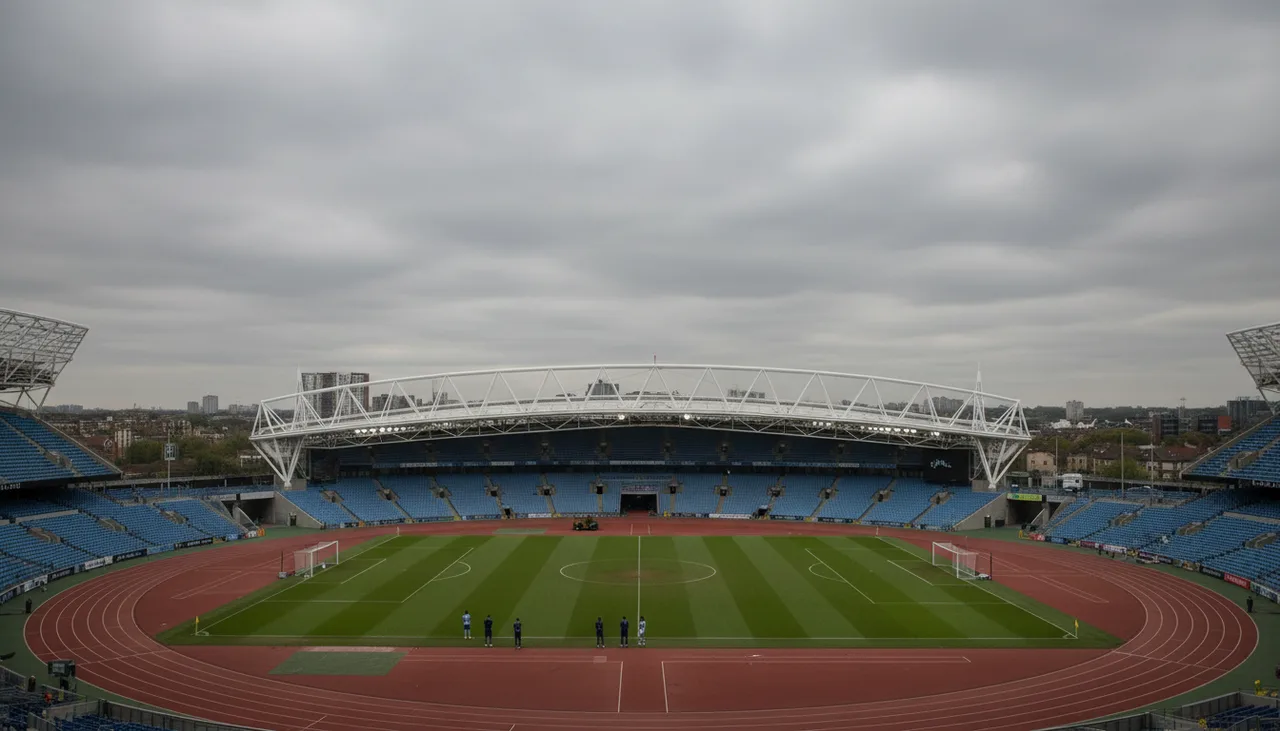
West Ham's battle to stay in the Premier League is no longer just a footballing matter — it carries a very real financial sting for every London taxpayer. If the Hammers drop into the Championship, the public purse could be hit to the tune of £2.5m a year, thanks to the terms of the club's long-standing lease agreement for London Stadium.
How the lease works
Under the 99-year agreement between West Ham and the Greater London Authority, the club's annual rent sits at approximately £4.4m while they compete in the Premier League. Relegation triggers a clause that cuts that figure by roughly half. The shortfall does not simply disappear — London taxpayers, who already contribute to the stadium's operating costs including stewarding, are left to make up the difference.
Mayor of London Sadiq Khan put the situation plainly. "If West Ham are relegated, we, the taxpayers, we City Hall, could lose up to £2.5m a year," he said. Khan took the opportunity to pin the blame on his predecessor Boris Johnson, describing the 2012 deal as "the worst deal imaginable."
Where West Ham stand
The Hammers are currently 18th in the Premier League table with one match of the season remaining. The noises out of east London are grim. Tottenham sit two points above them, hold a game in hand, and boast a considerably superior goal difference. If Spurs avoid defeat against Chelsea on Tuesday evening, West Ham are as good as down regardless of their own result.
The financial picture grows darker still when you factor in commercial revenues. London Stadium generates income tied closely to the prestige — and the fixture list — that Premier League football brings. A season in the Championship means fewer high-profile opponents, lower broadcast distributions, and reduced matchday spending. On top of that, the EFL calendar typically delivers 23 home league games compared to 19 in the top flight, pushing stewarding and operational costs higher even as revenues fall.
A deal that keeps on giving — the wrong way
The London Stadium arrangement has attracted criticism for years, and the relegation clause has always been one of its more contentious provisions. The idea that a drop in footballing fortunes directly increases the burden on ordinary Londoners rather than the club itself is a difficult sell to anyone outside Stratford.
Khan's suggestion that non-Tottenham fans across the capital should be "cheering on West Ham" underlines just how tangled the relationship between public finances and professional football has become at this particular venue. The stadium was originally built for the 2012 Olympics at enormous public cost, and the conversion to a football ground was itself the subject of years of controversy.
Whether or not sympathy translates into points on the final day of the season is another matter entirely. The market has already made up its mind about West Ham's fate, and the arithmetic is unforgiving. For Londoners who have no particular allegiance in the race to the bottom, the next few days carry a price tag that has nothing to do with a match ticket.
Frequently asked
- Why would West Ham pay less rent if they are relegated?
- West Ham's 99-year lease for London Stadium includes a clause that reduces their annual rent — from around £4.4m to roughly half that figure — if they are no longer playing Premier League football. The gap is effectively covered by London taxpayers.
- How much could relegation cost London taxpayers?
- Mayor of London Sadiq Khan has said the public could lose up to £2.5m a year if West Ham are relegated, because reduced rent and lower commercial revenues would leave a funding shortfall for stadium operating costs.
- Can West Ham still stay up?
- West Ham are 18th in the Premier League with one game left. Tottenham are two points above them with a game in hand and a much better goal difference, meaning a Spurs draw or win against Chelsea on Tuesday would effectively confirm the Hammers' relegation.