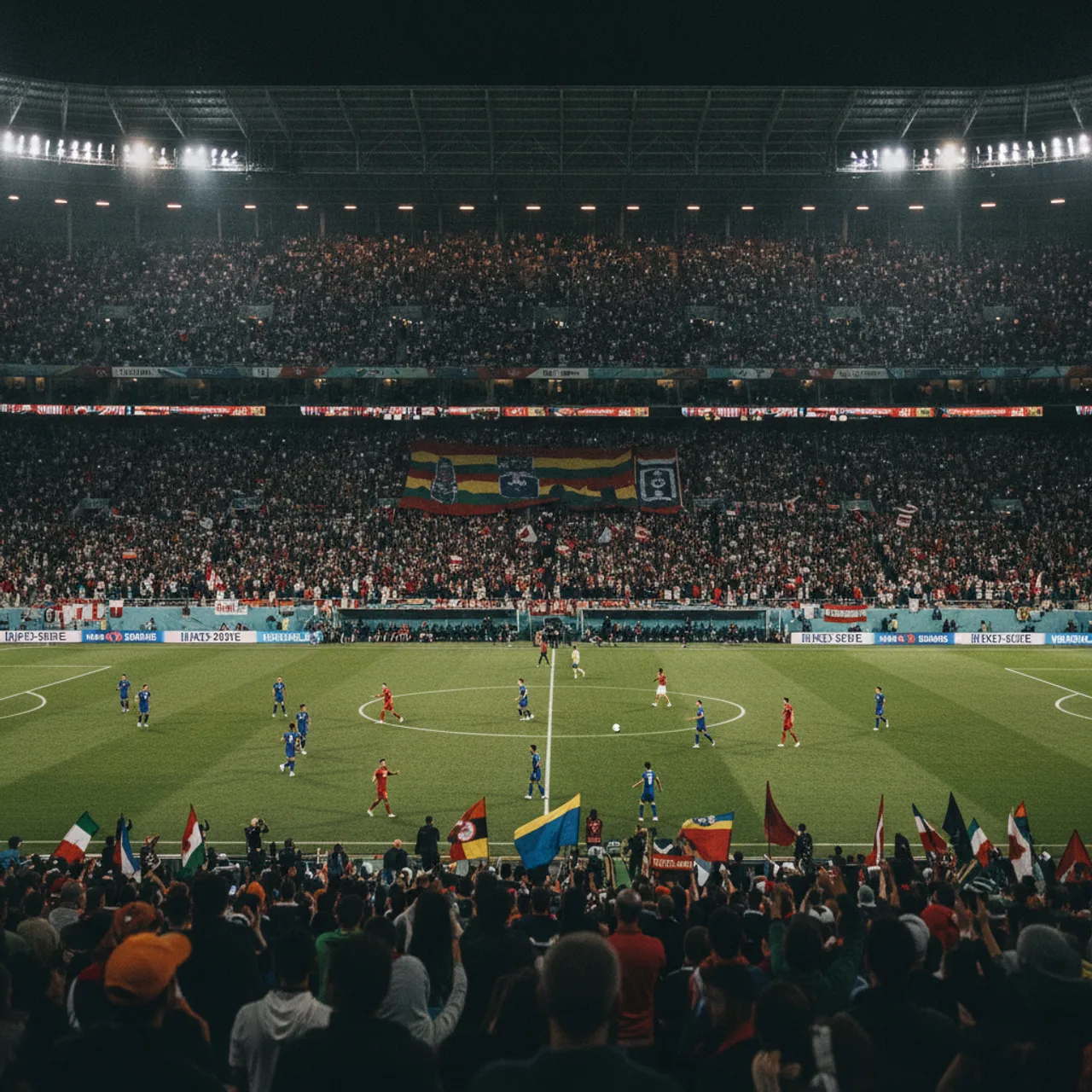
Four days. That is all that stands between football fans across the globe and the opening kick-off of the 2026 FIFA World Cup — a tournament that, for the first time in the competition's history, will be shared across three host nations. It is a landmark moment, and it has prompted a timely question: just how well do you actually know the story of where the World Cup has been played?
Since Uruguay hosted the inaugural edition back in 1930, countries from virtually every corner of the planet have welcomed the world's best players, the travelling support, and the peculiar, brilliant chaos that accompanies football's most prestigious prize. From South America to Europe, from Asia to Africa, the tournament has grown into something far beyond a simple football competition. It is a geopolitical statement, a commercial behemoth, and, for many host nations, a moment of national pride that endures for generations.
A Quiz Worth Taking
The BBC has launched a quiz challenging fans to name every World Cup host nation since the competition began. It is harder than it sounds. Most supporters will rattle through the obvious ones without much trouble — Brazil, Germany, England, Italy, France, Spain. But the list is longer and more varied than casual memory tends to suggest, and there are entries that will catch even the most dedicated football historian off guard.
Think about the nations that hosted during the more politically complicated decades of the twentieth century, or the countries that used the tournament as a platform to announce themselves to a wider world. The geography alone tells a remarkable story about how the sport has spread and how the hosting rights have been contested, awarded, and occasionally controversially decided.
Context Heading Into 2026
The 2026 edition adds its own chapter to that history. A three-nation hosting arrangement is unprecedented at this level, and the logistics involved are considerable. The expanded format — which now accommodates 48 teams rather than the previous 32 — means more matches, more venues, and more complexity than any previous tournament has demanded.
For England supporters, there is obvious excitement. Thomas Tuchel's squad has been putting in its final preparations, with the manager speaking publicly about squad fitness ahead of the opening fixtures. The market has taken notice of England's prospects, and expectation levels among the travelling support are considerably higher than they have been at recent tournaments.
Scotland, meanwhile, are approaching their own campaign with quiet confidence after what has been described as a patient and precise warm-up period. Should both home nations progress deep into the competition, the summer could become quite extraordinary for British football.
Why Host History Matters
Understanding where the World Cup has been staged is not merely a pub quiz matter. It provides genuine context for how the tournament has evolved — the political decisions that shaped early bids, the infrastructure investments that transformed host cities, and the way in which football has used the World Cup as a vehicle to reach new audiences in new territories.
Each host nation has left its mark, whether through iconic stadiums, memorable atmospheres, or the stories that emerged from the football itself. Uruguay 1930, Chile 1962, Mexico 1970 and 1986, the United States in 1994, South Korea and Japan co-hosting in 2002, South Africa's historic 2010 edition — the list carries genuine cultural weight.
As the 2026 tournament prepares to add its own entries to that record, taking stock of the full host history feels like a fitting way to mark the occasion. Give the quiz a try. You might surprise yourself — or find a few gaps in your knowledge that are worth filling before a ball is kicked.
Frequently asked
- Which countries are hosting the 2026 World Cup?
- The 2026 FIFA World Cup is being hosted across three countries. This is the first time in the competition's history that a single tournament has been shared between three nations.
- How many countries have hosted the World Cup since 1930?
- The World Cup has been hosted by a significant number of nations since Uruguay staged the first edition in 1930. The BBC's quiz challenges fans to name them all — it is trickier than most people expect, even for dedicated football followers.
- How many teams are at the 2026 World Cup?
- The 2026 World Cup features an expanded format of 48 teams, up from the 32 that contested previous tournaments. This means more group-stage matches and a longer overall competition.