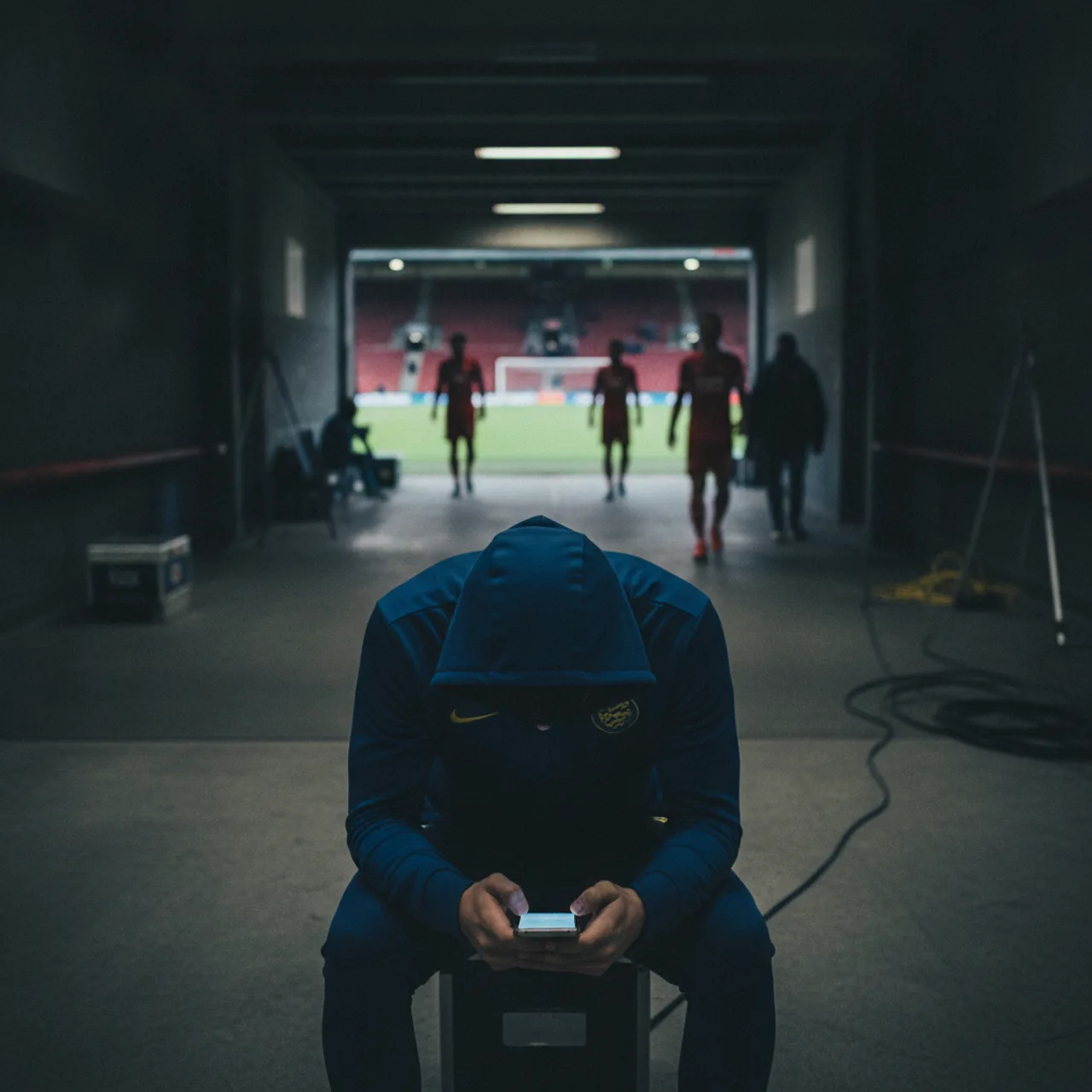
It used to be that a footballer could play a difficult match on a Saturday afternoon and find relative peace by Sunday morning. A bad review in the back pages stung, but it faded. The modern athlete enjoys no such grace period. The final whistle barely sounds before the notifications begin, and for some, what arrives is far darker than fair criticism.
Wales football international Hannah Cain put it plainly when she described the online treatment she had endured as "really ugly". Writing on social media, she made a point that deserves wider reflection: targeting the same player week after week — regardless of whether they perform well, poorly or somewhere in between — is not acceptable on any platform. "You never know what a person is going through," she wrote. "Enough is enough." Her words resonated well beyond women's football, touching a shared experience that spans codes, genders and generations in British sport.
A Threat That Cannot Simply Be Scrolled Past
Tennis player Heather Watson has spoken of receiving abuse on a daily basis. She received her first death threat at the age of 18. Katie Boulter faced similar treatment after losing a tie-break at the French Open last year, at which point she described online abuse as becoming the "norm" for athletes. Speaking more recently, she acknowledged that while the direction of travel felt more encouraging, meaningful change remained a "work in progress" — and not one that would happen quickly.
Sports psychologist Dr Mikel Mellick frames the problem with precision. Athletes are already operating under constant evaluation — from coaches, selectors and teammates. Social media adds an entirely different layer: a mass audience that can offer opinion without context, without accountability and without any right of reply from the subject. "That's perceived as a significant threat," he says.
What makes this particularly corrosive, Dr Mellick argues, is not the volume of abuse but the way the brain processes it. An athlete may receive fifty messages after a match; forty-nine of them supportive. But it is the single hostile one they return to. Over time, that pull towards the negative quietly erodes motivation, confidence and enjoyment of the sport — and can affect performance itself.
The Weight on Young Shoulders
For athletes who come through in the current era, the adjustment is immediate and unforgiving. There is no gradual acclimatisation. A breakthrough moment can bring admiration and hostility in equal measure, almost simultaneously.
World darts champion Luke Littler, still only a teenager when he reached the sport's highest level, admitted there were moments when he considered walking away altogether because of the abuse directed at him. TNT Sports presenter Laura Woods captured something many in sport have quietly felt for years when she observed that British sporting culture has a habit of building young athletes up only to knock them down with considerable enthusiasm.
The problem does not confine itself to on-pitch matters either. Saracens rugby player Georgia Evans found herself the subject of online hostility over the colour of a hair bow she wore during a match — a detail so entirely unrelated to sporting performance that it underlines how little justification some feel they need to cause harm.
Visibility as Both Prize and Burden
Joe Towns, a senior lecturer and experienced live sports television producer with more than two decades at the BBC and Sky Sports, notes that athletes have never had greater direct access to supporters — nor greater exposure to those who wish them ill. "It's not hard to offend these days," he says. A misplaced word or an unfortunate moment can escalate faster than any press cycle of the past.
Some athletes respond by stepping back from social media entirely. Others, like Cain, choose to challenge the culture head-on. Neither approach resolves the underlying issue, which is that the platforms facilitating this abuse have not yet made it sufficiently difficult for anonymous hostility to flourish.
The conversation is, at least, more open than it once was. Boulter sees improvements. Watson keeps playing. Cain keeps speaking. Progress in sport tends to come from those who refuse to accept the status quo as permanent — and on this particular issue, there is no shortage of athletes willing to make that case.
Frequently asked
- Why do athletes receive so much social media abuse?
- Social media removes the barriers that once existed between athletes and the public, allowing anyone to send criticism or abuse directly and anonymously. Sports psychologists note that this is particularly damaging because athletes are already under constant evaluation from coaches and selectors, and online hostility adds an unfiltered layer with no right of reply.
- What effect does online abuse have on athletes' mental health?
- According to sports psychologist Dr Mikel Mellick, athletes tend to fixate on negative comments even when positive ones are far more numerous. Over time this can erode motivation, reduce confidence, affect enjoyment of the sport and ultimately impact performance as well as overall mental wellbeing.
- Have any British athletes spoken out about social media abuse?
- Yes. Wales footballer Hannah Cain, tennis players Heather Watson and Katie Boulter, and darts world champion Luke Littler have all publicly addressed the abuse they have received online. Boulter described it as becoming the 'norm' for athletes, while Littler admitted there were moments he considered quitting the sport altogether.