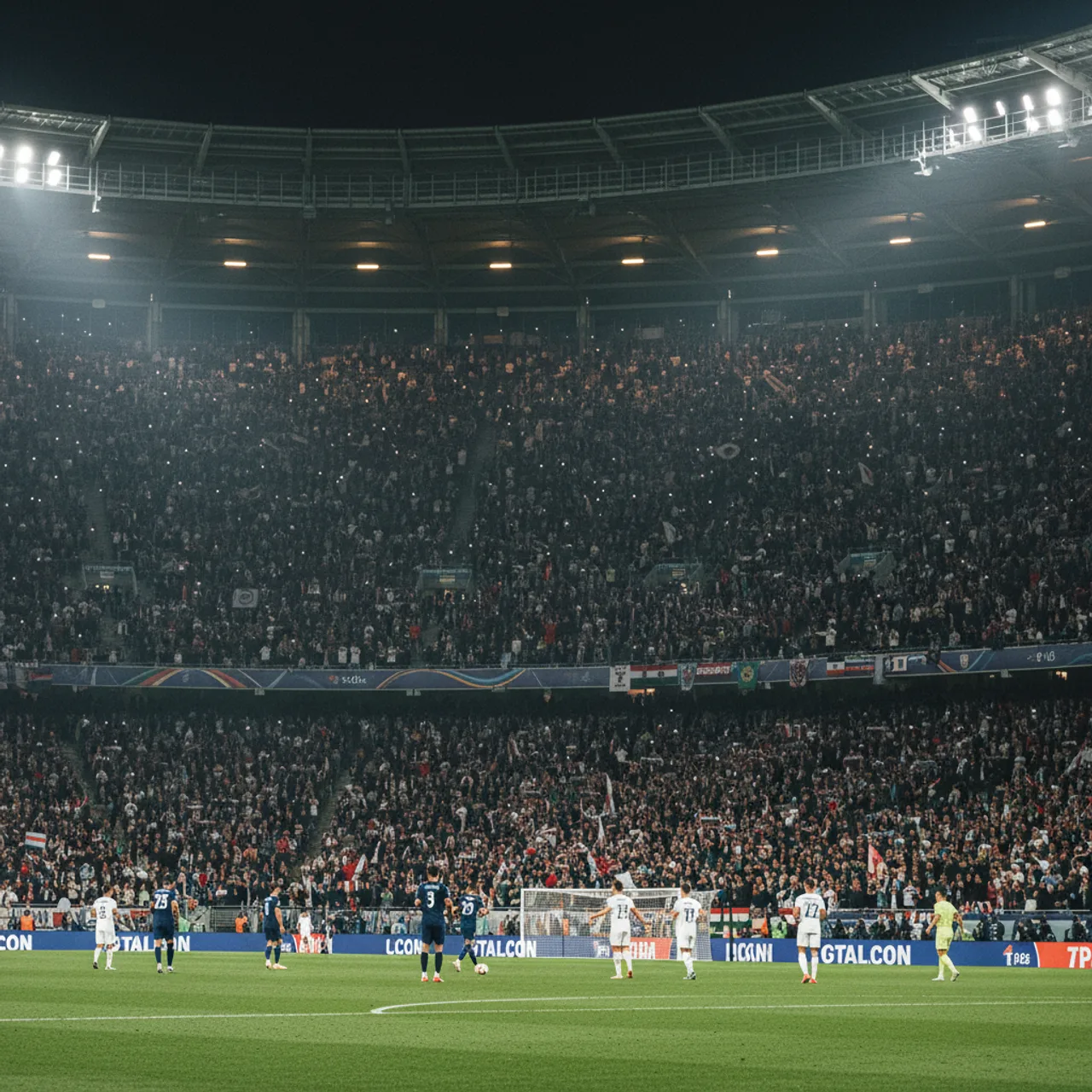
Uefa has announced a fundamental overhaul of World Cup qualifying that will separate Europe's strongest footballing nations from its minnows ahead of the 2030 tournament in a move long demanded by those who have grown weary of one-sided contests.
How the new system works
The 55 Uefa member associations will be divided into two separate competitions. The top 36 nations — ranked according to their standing in the 2028 Nations League — will contest League 1, split into three groups of 12 teams. The remaining 18 associations will play in League 2, a parallel competition designed to give smaller footballing nations a genuine chance of progressing rather than facing repeated heavy defeats against elite opposition.
Crucially, the format of the qualifying groups themselves has also been restructured to mirror the Champions League's league-phase model. Every team will play six matches against six different opponents — drawn from separate pots — rather than facing the same handful of rivals home and away. That standardises the workload across all nations; at the 2026 World Cup cycle, some countries played six qualifiers while others played eight, an imbalance that created obvious anomalies in fairness and preparation time.
Uefa president Aleksander Čeferin described the logic behind the changes plainly: the aim is to improve competitive balance, reduce dead rubbers, and deliver a more engaging competition to supporters — all without introducing any additional fixtures into an already congested international calendar.
What it means for England and the home nations
For England, Scotland, Wales and Northern Ireland, the practical effect is straightforward. All four, based on their Nations League standings, should comfortably fall within the League 1 bracket, meaning they will face opponents of a broadly comparable level throughout qualifying. England's 10-0 win over San Marino during the 2022 World Cup qualifying campaign is precisely the sort of fixture the new structure is designed to consign to history.
The competitive standard of every group game ought to rise considerably. Qualification campaigns have often felt like exercises in patience for top-tier nations — long runs of comfortable victories before a handful of meaningful contests at the end of a cycle. Under this format, every game from the first matchday carries genuine weight.
Automatic places and play-offs
The top-ranked teams in each League 1 group will qualify automatically for the World Cup, with the remaining European places distributed through a play-off system. Uefa has not yet confirmed the precise breakdown of automatic slots versus play-off berths, so those details remain to be announced in due course.
Smaller nations in League 2 are not simply cut adrift. They retain routes to the finals, which addresses one of the principal concerns critics might raise about a tiered system — that it permanently shuts the door on footballing development nations.
Nations League restructure from 2028
Alongside the qualifying changes, Uefa confirmed the Nations League will itself be restructured from 2028. The competition will move to three divisions of 18 teams each, with three groups of six per division. Teams will still play six matches but against five different opponents across three pots, with promotion, relegation and the knockout finals remaining in place.
The cumulative picture is of a governing body attempting to align its flagship competitions more coherently — making every game matter, reducing the volume of mismatches, and giving fans across the continent more to care about from the opening round of fixtures. Whether the reality lives up to that promise will depend on exactly which 36 nations land in League 1 when the 2028 Nations League concludes.
Frequently asked
- Will England still play San Marino and Gibraltar in World Cup qualifying?
- No. Under the new two-tier system taking effect for 2030 World Cup qualifying, England will compete in League 1 alongside Europe's top 35 nations. San Marino, Gibraltar and similar smaller associations will play in a separate League 2 competition.
- How many World Cup qualifying games will England play under the new format?
- All teams in the new system will play six qualifying matches, regardless of which league they are in. This standardises the schedule after the 2026 cycle, when some nations played six games and others played eight.
- How are the 36 League 1 nations decided?
- The top 36 Uefa member associations will be selected based on their rankings at the conclusion of the 2028 Nations League, which precedes the 2030 World Cup qualifying campaign.